.webp)
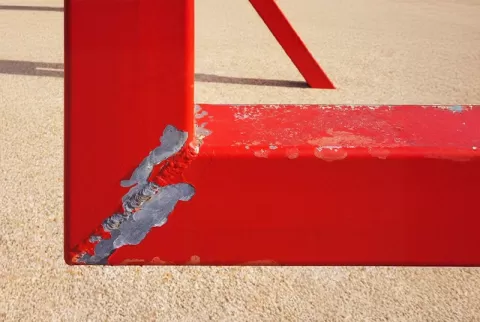
Powder coating has revolutionized the finishing industry with its durability, environmental benefits, and superior aesthetics. However, even with the most advanced technology and materials, defects can sometimes appear during or after application. Understanding the root causes and remedies for these issues is essential to achieving flawless results. This is especially true in industries that demand perfection, such as architecture, automotive, and industrial manufacturing. At Sharp Coatings, with over 25 years of expertise, two world-class manufacturing units, and an advanced R&D infrastructure, we've helped countless partners identify and correct coating problems. Below are the 10 most com
1. Poor Fluidization
What happens: Powder doesn't flow smoothly inside the hopper and appears uneven or lumpy. Why it happens: Moisture contamination, excessive powder in the hopper, or improper air pressure.
2. Inadequate Earthing (Grounding)
hat happens: Uneven film build or poor transfer efficiency. Why it happens: Improper grounding due to coating residue on hooks or racks.
3. Excessive Film Thickness
What happens: Thick, uneven layers lead to a sagging or orange peel texture. Why it happens: Spraying too close or using too much powder.
4. Craters or Pinholes
What happens: Thick, uneven layers lead to a sagging or orange peel texture. Why it happens: Spraying too close or using too much powder.
5. Orange Peel Effect
What happens: An uneven, bumpy finish resembling orange skin. Why it happens: High viscosity or improper curing conditions.
6. Colour Mismatch or Shift
What happens: The final colour doesn't match the RAL/Pantone reference. Why it happens: Variation in curing time, batch inconsistency, or poor communication during color selection.
7. Contamination and Dust Inclusions
What happens: Visible particles or fibers embedded in the finish. Why it happens: Dirty spray booths, filters, or reclaim systems.
8. Poor Adhesion or Peeling
What happens: The coating flakes or peels off easily. Why it happens: Inadequate surface preparation or curing.
9. Corrosion Blisters or Bubbles
What happens: Small blisters form, especially on steel substrates. Why it happens: Trapping moisture or chemical residues after pretreatment.
10. Yellowing or UV Discoloration
What happens: White or light-colored coatings turn yellow or fade. Why it happens: UV exposure or thermal over-curing.